

Keeping a real estate project on schedule demands live tracking that binds developers to their promises. Regular, verified Hindva Builders construction updates establish accountability, exposing supply bottlenecks and labor shortages before they derail completion. For Gujarat property buyers in Surat or Ahmedabad, waiting for possession is anxious. The gap between signing a purchase agreement and receiving keys is often filled with silence. Let us be honest, a glossy brochure does not pour concrete. Look, it is not perfect. But it is the most practical workaround we have right now to keep builders honest. By shifting from vague promises to structured milestone based reporting, we eliminate the guesswork in real estate development. This changes the dynamic, establishing a clear record of progress.
The operational friction behind real estate delivery schedules
In construction, delay is rarely caused by a single catastrophic event. Instead, small unaddressed issues accumulate. A two week delay in procuring high grade structural steel, a temporary shortage of skilled masonry labor, or slow municipal approvals for utility connections can quickly snowball. In fast moving Gujarat markets like Surat and Ahmedabad, these bottlenecks push possession dates back by months.
Many developers treat schedules as internal guidelines rather than binding commitments. Without operational visibility, buyers cannot plan finances, business transitions, or personal moves. Live tracking forces these bottlenecks into the open. Weekly progress logging stops project managers from hiding behind excuses, forcing them to resolve issues immediately.
In commercial and residential construction, uncertainty drives cost overruns. Establishing a transparent tracking loop forces operational discipline on every contractor and supplier involved in the project.
Is a written schedule enough to guarantee project completion?
A written schedule is merely a statement of intent. Without daily tracking, it becomes obsolete within three months of excavation. True construction management requires a dynamic feedback loop where physical progress onsite directly influences supply chain orders and labor allocation. If concrete pouring for a residential tower slab is delayed by rain, the procurement team must adjust material delivery schedules to prevent site congestion.
Investors must examine the developer operational infrastructure. A developer who actively documents and shares step by step progress demonstrates the logistical control necessary to manage complex projects. This organization separates successful developments from projects that languish in operational limbo. In practice, most teams skip this step entirely and the messy results show it.
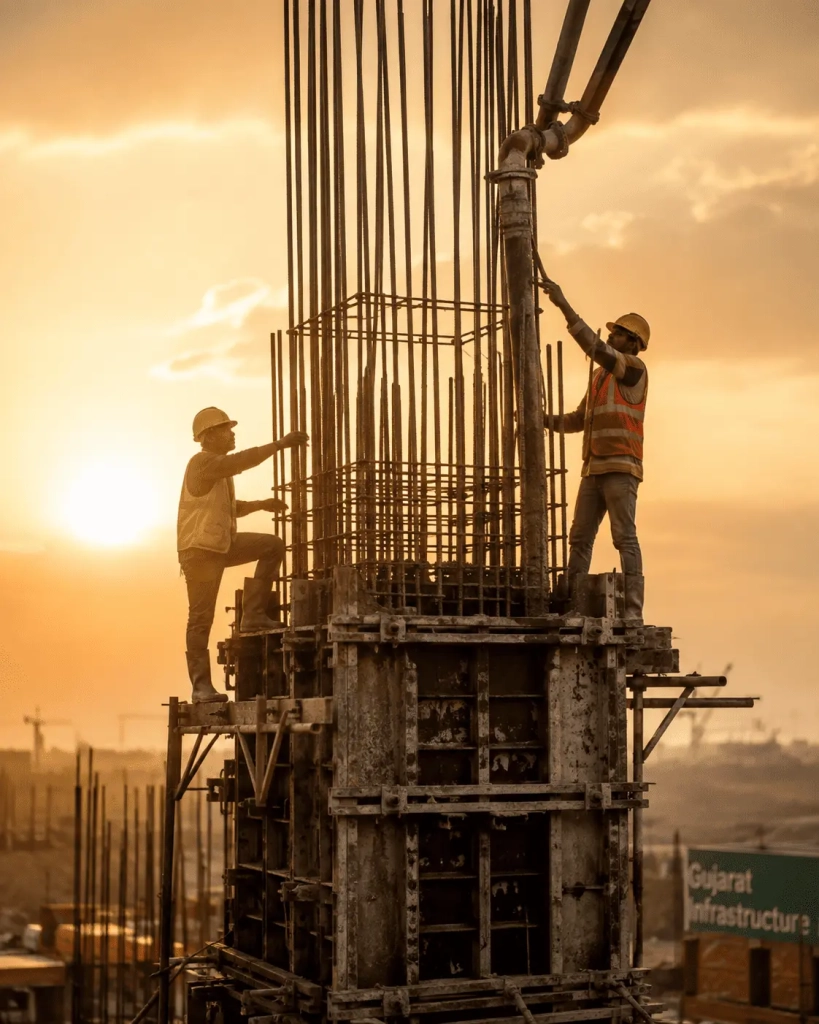
Understanding this requires looking at the specific milestones defining a building lifecycle. From excavation and foundation work to superstructures, brickwork, plastering, and final mechanical, electrical, and plumbing installations, each phase requires precise coordination. Regular updates show buyers exactly how their capital is deployed.
How Hindva Builders construction updates mitigate operational risks
Operational risk management determines project success. By implementing a rigorous reporting protocol, Hindva Builders construction updates transform monitoring to identify and correct delays in real time. This structured reporting relies on three distinct layers of verification: onsite engineering logs, independent quality audits, and digital progress tracking. This trilayered system ensures information is accurate, verifiable, and free from promotional bias.
Reviewing these updates provides data points confirming project health rather than just photos of completed walls. Knowing that structural casting of a commercial plaza is seventy percent complete allows investors to coordinate interior fit out contracts with confidence. This sounds counterintuitive. But in competitive markets, it consistently works. This clarity maintains trust in competitive markets where timely delivery directly impacts rental yields.
Can regular reporting solve labor and material shortages?
Reporting does not create labor or materials, but it provides the lead time to solve shortages before they impact the critical path. The critical path is the sequence of stages that must be completed on time to prevent project slippage. If logs show the supply of premium vitrified tiles is lagging, the procurement team can activate secondary suppliers across Gujarat or adjust labor schedules to focus on external plastering.
This agility requires a continuous flow of data from the site. When contractors know their work is monitored and reported to stakeholders, they maintain higher efficiency. The result is a disciplined work site where labor productivity remains high and material waste is minimized, keeping the project on schedule.
Is transparency enough to protect your financial investment?
Transparency is an active tool protecting your capital. Detailed progress reports open operations to public scrutiny, preventing the diversion of funds. This prevents a common industry problem where capital raised for one project is shifted to fund another acquisition. By linking progress updates to the financial milestones in Hindva’s business ethics, buyers verify that payments are directly reinvested into their specific property.
For institutional and individual buyers, correlating financial outflow with physical progress reduces investment risk. It ensures the project remains financially viable and fully funded through the completion of civil and finishing works, protecting the asset from litigation or abandonment.
Establishing this direct link between construction progress and financial compliance assures buyers that their money actively builds their future properties. This transparent model represents the modern standard of Indian real estate development, moving away from opaque past practices.
The technology and logistics behind milestone tracking
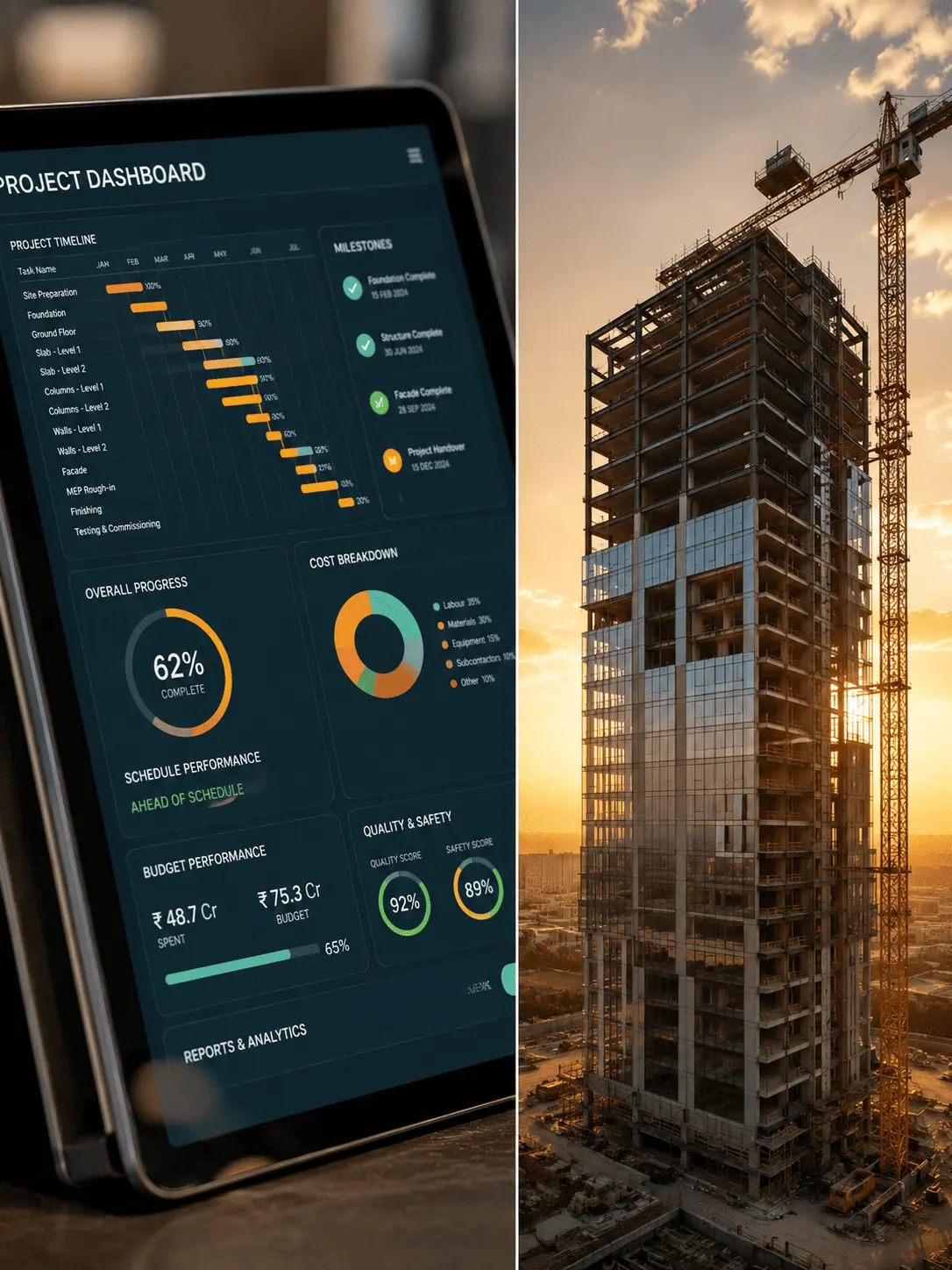
Modern construction management has evolved beyond manual ledger entries and occasional site visits. To achieve consistent on time delivery across multiple projects, developers must utilize advanced logistics tracking systems. This involves integrating project management software with physical onsite monitoring tools, creating a unified digital twin of construction progress. This integration ensures every stakeholder has access to a single source of truth.
At the heart of this system is the breakdown of the project into highly specific measurable milestones. Instead of reporting progress as a vague percentage, the system tracks specific metrics like the volume of concrete poured, tonnage of steel tied, square footage of plastering completed, and electrical points wired. This granular tracking prevents minor delays in individual units from accumulating into major delays for the entire building.
How do engineers verify progress on the ground?
Onsite verification is conducted by qualified civil engineers using standardized inspection checklists to evaluate both quantity and quality. These inspections map against structural drawings and quality assurance protocols. Before any concrete slab is cast, the engineering team must inspect and sign off on the steel reinforcement layout, electrical conduit placement, and shuttering stability.
Once verified, this data is uploaded directly to the project management system, updating the schedule in real time. This process ensures any deviation from the planned timeline is flagged immediately, allowing corrective measures without delay. This continuous oversight guarantees quality is never sacrificed for speed, protecting the long term structural integrity of the property.
Actionable steps for investors tracking construction progress
As an investor or homebuyer, you should not be a passive observer. To protect your investment and ensure timely delivery, actively engage with the progress reports. Knowing what to look for helps you identify potential issues early and hold the developer accountable.
First, compare updates against the timeline registered with the Gujarat Real Estate Regulatory Authority (RERA). This registry serves as the legal baseline, and the developer must justify any significant deviations. Second, look for consistency. A healthy project shows steady progress across different phases rather than sudden bursts followed by long periods of inactivity. Finally, pay close attention to the completion of utility connections like water supply, electricity substations, and sewage treatment plants, as these are often the final hurdles before receiving an occupancy certificate.
An informed buyer is a developer best partner. When buyers understand the technical milestones of construction, it elevates the standard of communication and ensures that quality remains the top priority throughout the building lifecycle.
What are the critical milestones to watch in a high rise project?
In a high rise residential or commercial development, several milestones dictate the overall timeline. The completion of the plinth level is the first major milestone, marking the transition from substructure excavation to superstructure framing. Once the plinth is complete, the framing phase begins, involving casting columns and slabs for each floor. This phase is highly repetitive and should progress at a predictable rate, typically one slab every twelve to fifteen days depending on the scale and design.
Following the structural frame, the masonry and brickwork phase begins, followed closely by plastering and waterproofing. The final phases, including mechanical, electrical, and plumbing installations, flooring, window fittings, and painting, are the most detailed and require careful coordination of multiple specialized trades. Understanding these phases allows you to analyze upcoming project milestones with a critical eye, ensuring you can accurately estimate the time remaining until final possession.
Secure your investment with structured progress tracking
When investing in Gujarat’s real estate market, choosing a developer who prioritizes operational transparency is the most effective way to safeguard your capital. By relying on verified Hindva Builders construction updates, you gain a clear, honest view of your property’s path to completion, eliminating the stress of traditional property buying. Explore our current residential and commercial developments, or connect with our team today to learn more about how we apply rigorous project management standards to ensure on time delivery. Contact us today through our inquiry portal to schedule a site visit or request the latest progress reports for your preferred project.
Secure Your Investment with Hindva’s Operational Excellence
Don’t leave your real estate investments to chance. Connect with our dedicated engineering and relationship teams today to access live, verified milestone updates and schedule an exclusive, guided site visit at our premium Gujarat developments.
Frequently asked questions
How often are construction updates published?
Progress reports are compiled and shared monthly, providing an overview of the milestones achieved. For major structural phases or complex commercial developments, updates may be shared more frequently to keep investors informed of critical developments onsite.
Are these updates legally binding under RERA guidelines?
Yes, all progress reports and milestone tracking data correspond to the timelines and project specifications registered with the Gujarat Real Estate Regulatory Authority (RERA). This ensures the information shared is legally compliant and accurately reflects physical progress.
Can I schedule an in person site visit to verify the progress?
Absolutely. While digital updates provide regular visibility, we encourage buyers to schedule guided site visits with our relationship managers. This allows you to inspect the quality of materials and workmanship firsthand while ensuring your safety on an active construction site.
What happens if a specific milestone is delayed?
If an operational delay occurs, the project management team implements a recovery plan, deploying additional labor shifts or sourcing materials from alternative pre approved suppliers. The updates will detail the cause of the delay and the specific corrective actions taken to keep the delivery date on track.
How are material quality checks integrated into the updates?
Every phase of construction undergoes quality testing, including concrete compressive strength tests, steel tensile strength audits, and waterproofing integrity checks. The results of these quality control measures are logged by our engineering team and integrated into internal records to ensure speed never compromises structural quality.